
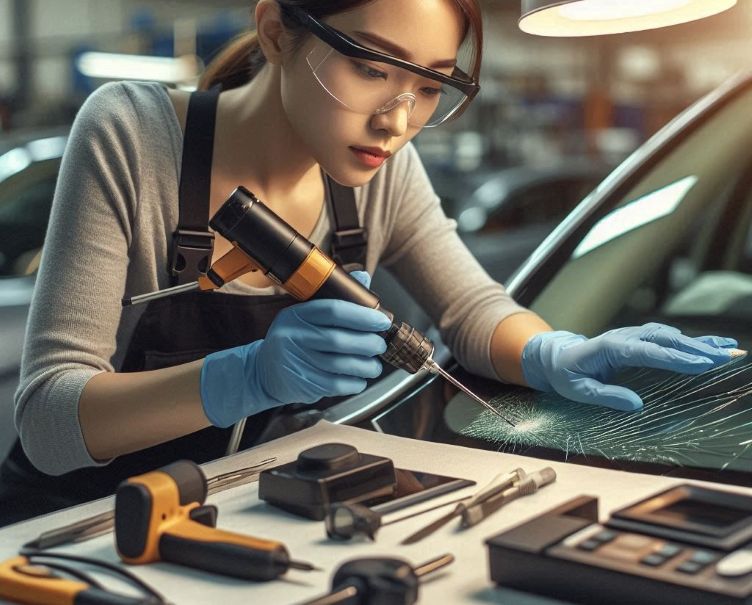
Cracked windshields contribute to reduced driver visibility and can weaken a vehicle’s structural integrity during collisions. The National Highway Traffic Safety Administration notes that a properly installed windshield helps support roof strength and aids airbag deployment, making it a critical safety component rather than just a protective barrier.
Despite this importance, many drivers delay repairs due to cost concerns or uncertainty about the process. Resources like insurance approved auto glass repair show how insurance-backed services can simplify decisions and encourage timely action. These services bridge the gap between safety awareness and practical maintenance, helping drivers address damage without unnecessary stress.
Step 1: Recognize Common Auto Glass Hazards
Small chips, cracks, and scratches may seem minor at first, yet they often worsen over time. Temperature changes, road vibrations, and moisture can cause damage to spread quickly. Research from the Auto Glass Safety Council indicates that even a small chip can expand into a full crack within days under the right conditions.
Drivers should regularly inspect their windshields and windows for:
- Star-shaped chips or bullseye marks
- Long cracks extending across the glass
- Distortion that affects visibility
- Loose or rattling glass panels
By identifying these issues early, drivers can avoid more costly replacements and maintain safer driving conditions.
Step 2: Understand Why Professional Repair Matters
While DIY kits are widely available, experts consistently advise against relying on them for anything beyond very minor fixes. The Auto Glass Safety Council emphasizes that proper repair requires calibrated tools and trained technicians to ensure structural integrity. As modern vehicles integrate advanced systems into windshields, understanding vehicle technology studies and professions helps explain why professional expertise is essential in maintaining both safety and performance.
Professional technicians assess whether a repair or full replacement is necessary. They also ensure that adhesives cure correctly and that advanced driver assistance systems, often linked to the windshield, are recalibrated. These details are easy to overlook, yet they directly impact safety on the road.
Choosing certified repair teams ensures that industry standards are followed, reducing the risk of improper installation.
Step 3: Document the Damage and Review Your Insurance Policy
Before taking action, document the damage with clear photos. This step helps when filing an insurance claim and provides a record of the issue’s progression. Many insurance providers cover glass repair or replacement, sometimes with little to no deductible.
Data from the Insurance Information Institute shows that comprehensive auto policies often include glass coverage, especially for non-collision damage such as debris impact or weather-related cracks. Reviewing your policy details can clarify what is covered and what costs to expect.
Understanding your coverage allows you to make informed decisions without delaying necessary repairs.
Step 4: File a Claim and Choose a Certified Repair Service
Once you confirm coverage, the next step is to file a claim. Most insurers offer online or mobile claim submission, making the process straightforward. After filing, you may be directed to a network of approved repair providers.
Working with insurer-recognized technicians offers several benefits:
- Faster approval and processing
- Reduced out-of-pocket expenses
- Assurance of quality standards
These partnerships streamline the experience, allowing drivers to focus on safety rather than paperwork.
Step 5: Complete the Repair or Replacement Process
During the repair appointment, technicians will evaluate the damage again before proceeding. Minor chips are typically filled with resin, restoring clarity and strength. Larger cracks or severe damage often require full windshield replacement.
The process usually takes less than a few hours, though curing time for adhesives may extend the wait before driving. Experts from AAA advise following technician recommendations carefully, especially regarding safe drive-away times.
Proper installation ensures that the windshield performs as intended during impacts and supports safety systems within the vehicle.
Step 6: Maintain Your Auto Glass for Long-Term Safety
After repair or replacement, ongoing maintenance plays a key role in preventing future damage. Simple habits can extend the life of your auto glass and reduce risks:
- Avoid slamming doors, which can stress the glass
- Park in shaded or covered areas to limit temperature fluctuations
- Replace worn wiper blades to prevent scratches
- Keep a safe distance from vehicles carrying debris
Regular care reinforces the benefits of professional repair and helps maintain clear visibility on the road.
Conclusion: Turning Repairs Into Safety Awareness
Auto glass damage is more than a cosmetic issue. It directly affects visibility, structural strength, and overall vehicle safety. By understanding how to identify damage, navigate insurance claims, and work with certified technicians, drivers can take a proactive approach to maintenance.
Insurance-supported repair services make this process more accessible, removing common barriers such as cost and complexity. When drivers embrace these solutions and follow proper maintenance practices, they strengthen both their safety and their confidence behind the wheel. Over time, consistent attention to windshield care becomes part of responsible vehicle ownership, ensuring safer journeys for everyone on the road.